How to Reduce Renovation Stress: A Calm Homeowner's Playbook
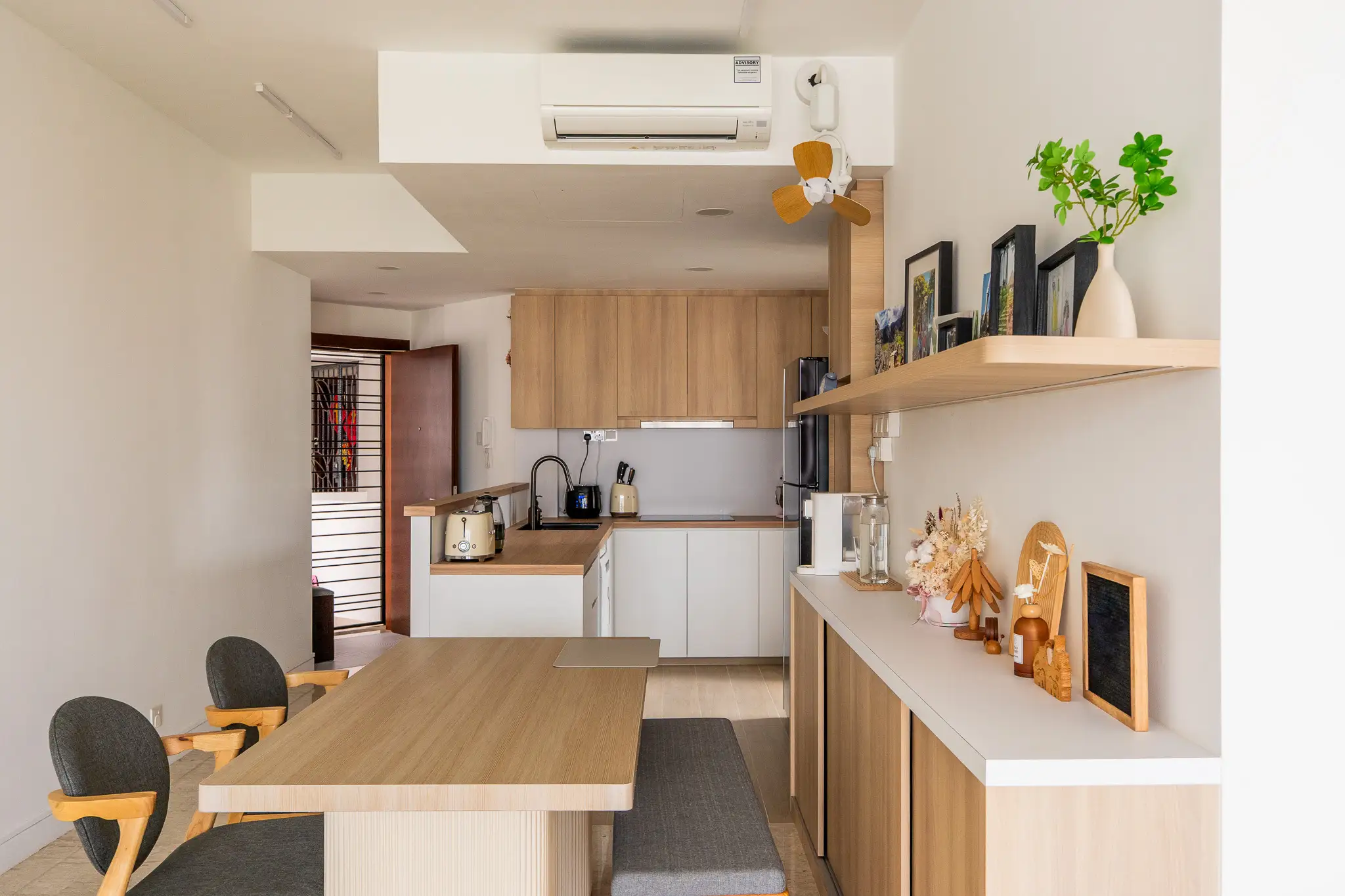
Ask anyone who has renovated and they will tell you about the group chats, the site visits after work, the decisions that would not stop coming. Renovation stress is real, but it is not inevitable. It has three specific causes, and each one has a fix.
Renovation stress comes from cost uncertainty, decision fatigue and coordination load. Fix all three before works begin: lock an itemised budget, batch your decisions early, and put one accountable person between you and the trades.
Stress source 1: cost uncertainty
Nothing gnaws at homeowners like not knowing the real final number. The fix is boring and effective: start with a realistic range from our reno calculator, then convert it into an itemised quotation where every line has a price. Keep a 10 to 15 percent buffer and agree in writing that changes go through variation orders you approve first. When the money is visible, the anxiety drops.
Stress source 2: decision fatigue
A renovation involves hundreds of decisions, and they exhaust people when they arrive one at a time over three months. Batch them instead:
- Lock the layout and carpentry design before works start, with a 3D preview so you are deciding on something you can see
- Pick all materials in one or two showroom sessions, not over weeks of WhatsApp photos
- Set a 48-hour rule for small on-site decisions so they never pile up
Deciding early also protects the timeline, because material orders go out on day one instead of week four.
Stress source 3: coordination load
Managing tilers, carpenters, electricians and plumbers yourself is a part-time job with no training provided. This is the strongest case for a managed renovation: one designer coordinates the sequence, supervises quality and owns the problems. You get a weekly update with photos instead of six group chats. We compared the two approaches honestly in contractor versus interior designer.
A calm renovation, week by week
- Before works: budget locked, design frozen, materials chosen, milestone schedule in writing
- During works: weekly structured updates, site visits only at milestones (post-hacking, mid-carpentry, pre-painting)
- Before handover: a proper defects walk-through with a checklist, rectified before you move in
Homes we design are meant to feel calm to live in, and we believe getting there should feel calm too. See the results in our completed projects.
Renovate the calm way
Our whole process is built to keep you off the site and out of the group chats. Meet us for a free consultation and see how.
Book a free consultationFrequently asked questions
What is the most stressful part of renovating a home?
Uncertainty. Not knowing the true final cost, whether the timeline will hold, and who is responsible when something goes wrong. Removing uncertainty, not working harder, is what reduces renovation stress.
How long does a typical HDB renovation take?
Around 8 to 12 weeks for a full renovation, depending on scope and material lead times. Light refreshes can finish in 4 to 6 weeks. A written milestone schedule keeps everyone honest.
Should I visit my renovation site every day?
No. Daily visits create noise without control. With a managed renovation, weekly structured updates plus visits at key milestones like post-hacking and pre-handover catch everything that matters.